
Reviews Series
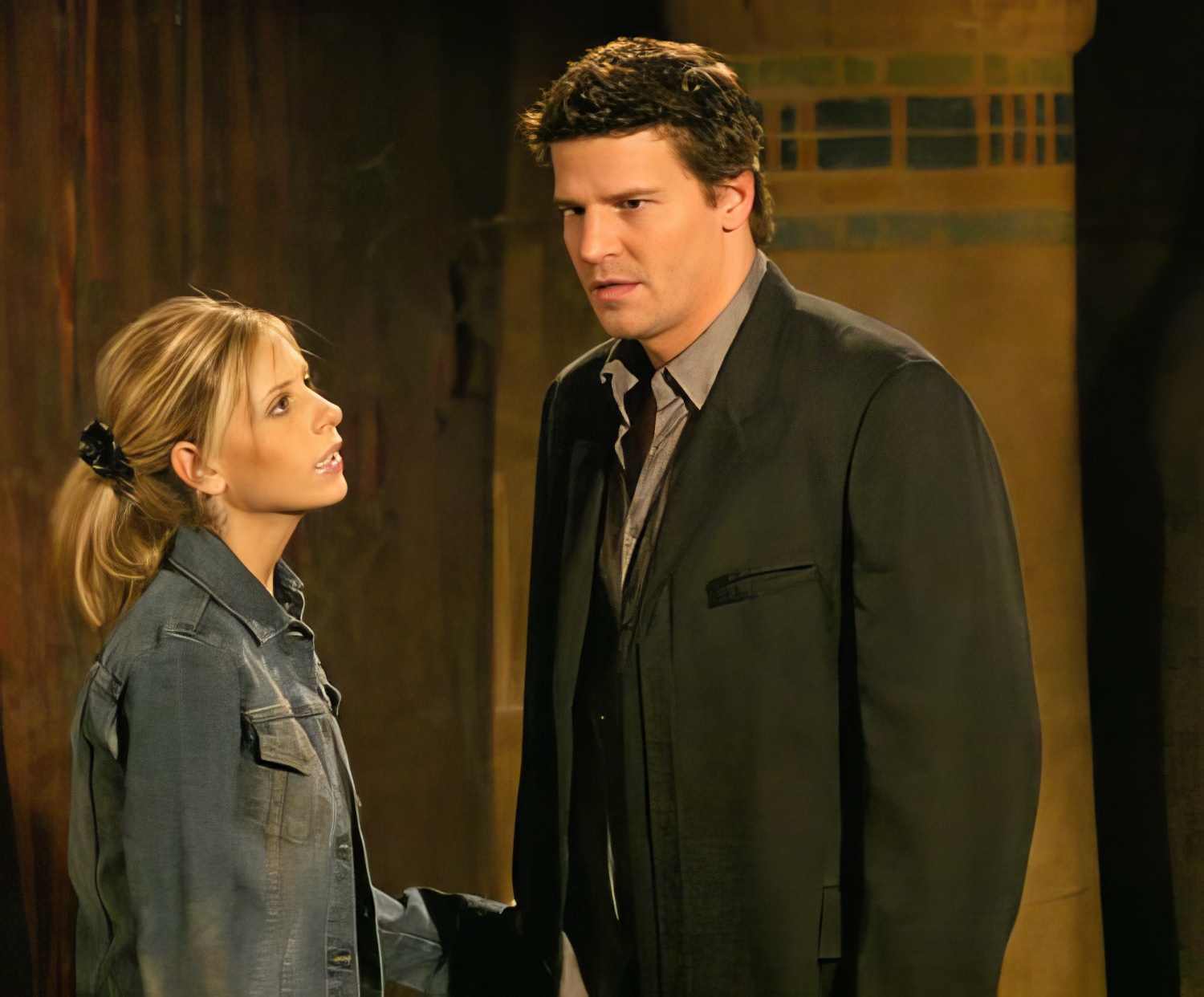
Buffy the Vampire Slayer: New Sunnydale โ€“ How Hulu Turned a Beloved Franchise Into Commercial Suicide

The Ghost That Haunts Every Hulu Post

If you’ve scrolled through Hulu’s social media in 2026, you’ve seen it: “Bring Back Buffy” under every post. Promotional content for The Bear? Flooded with Buffy comments. Announcements about Only Murders in the Building? Hijacked by fans demanding the return of the Slayer. Marketing analysts report that 15-20% of top comments on Hulu’s general catalog posts are now occupied by “Release the Zhao Pilot” tags.

This isn’t normal fandom behavior. This is what happens when a streaming platform commits what can only be described as developmental malpractice: publicly building hope for a beloved franchise’s return over the course of a year, filming a complete 90-minute pilot with the original star, and then cancelling it because it wasn’t “perfect.”

Welcome to the Buffy the Vampire Slayer: New Sunnydale disaster, a masterclass in how to alienate a thirty-year legacy fanbase and create a permanent brand crisis through catastrophically public development mismanagement.

What New Sunnydale Was Supposed to Be

Unlike previous reboot attempts that triggered fan skepticism about recasting beloved characters, New Sunnydale was positioned as a direct sequel, a continuation of the original world rather than a do-over. This was crucial. By promising essentially a “Season 8” in television form (bypassing the controversial comic book continuations), Hulu tapped into decades of pent-up nostalgia.

The creative team was designed to signal prestige: Chloรฉ Zhao, fresh from dual Oscar wins and the acclaimed Hamnet, attached to direct and executive produce the pilot. The Zuckerman sisters (Poker Face) handled the script, suggesting a blend of mystery and character-driven storytelling that aligned with the original’s “monster-of-the-week” structure.

The project officially kicked off in February 2025 when Sarah Michelle Gellar confirmed her return. This was seismic. For twenty years, Gellar had maintained firm distance from Buffy Summers, consistently stating the character’s story ended definitively in 2003. Her reversal, which she publicly credited to Zhao’s “vision”, convinced skeptical fans this was the real deal.

The supporting cast followed: Ryan Kiera Armstrong as Nova, the new Slayer. A diverse ensemble of students at the rebuilt Sunnydale Academy. Legacy cast members publicly expressing interest in returns. By August 2025, principal photography wrapped on the 90-minute pilot.

And then… silence. Followed by cancellation on March 14, 2026.

The Timeline of a Public Failure

February 3, 2025: Sarah Michelle Gellar officially confirms her return
May 15, 2025: Ryan Kiera Armstrong cast as Nova, the “New Slayer”
July 24, 2025: Broader supporting cast revealed
August 2025: Pilot filming commences in Los Angeles
August 31, 2025: Principal photography concludes on 90-minute pilot
January 2026: Gellar provides “quality reassurances” during press cycles
March 14, 2026: Project cancelled, announced via Sarah Michelle Gellar’s statement that she was “blindsided”

Sarah Michelle Gellar and the Credibility Trap

The primary catalyst for the current fallout was Gellar’s unprecedented public advocacy. Using her Instagram (4.9 million followers), she signaled from February 2025 that the project was moving forward only because they intended to “do it right.” This messaging was a double-edged sword: it convinced the skeptical fanbase of the project’s quality, but it also placed Gellar’s personal credibility on the line as guarantor of the product.

When Hulu scrapped the project, Gellar’s public statement that she was “blindsided” shifted blame entirely to Hulu’s executive suite, effectively framing the streamer as the “Big Bad” of the narrative. For a fanbase already mourning the tragic February 2025 death of Michelle Trachtenberg (who played Buffy’s sister Dawn), Gellar’s emotional investment felt like honoring the show’s legacy, and Hulu’s cancellation felt like dismissing that emotional weight.

What the Pilot Actually Was

Based on leaked plot details, Zhao’s 90-minute pilot took a meta-textual approach that may have been too radical for executives expecting traditional horror-action.

The opening sequence followed a girl named Stacy, dressed in a “sexy school uniform” version of the Slayer outfit, hunting a vampire in what’s revealed to be a haunted house attraction at a festival called “Vampire Weekend”, described as a cross between Renaissance fair and Comic-Con, where tourists cosplay as famous vampires from Dracula to Twilight.

This was commentary on how the Buffy franchise had been absorbed into cultural zeitgeist, but it potentially alienated fans seeking traditional Buffy energy. The “real horror” returned when an actual vampire murdered Stacy on a luxury golf course, her blood washed away by automatic sprinklers, a stark metaphor for the town’s desire to keep “prime California real estate” looking perfect.

The new protagonist Nova (Ryan Kiera Armstrong) was an introverted student at New Sunnydale Academy, built over the original Hellmouth crater. Her visions, dismissed as psychological trauma, were actually her awakening Slayer potential.

Gellar’s involvement was reportedly a “brief and mysterious cameo” teasing a larger Season 1 role, the classic legacy sequel “mentor-mentee” dynamic. But test screenings reportedly found the pilot lacked the “propulsive energy” needed to anchor a weekly series.

The “Not Perfect” Excuse

Deadline reported Hulu executives described the pilot as “not perfect,” concerned that Zhao’s style, natural lighting, slow pacing, human-scale drama, didn’t align with the “spirit of the 1990s teen drama” fans expected.

Here’s the problem: the Buffy fanbase doesn’t demand perfection. They demand respect. A “not perfect” continuation with the original star involved is preferable to total silence. By greenlighting the pilot, allowing public promotion, and then cancelling because it didn’t meet some undefined quality threshold, Hulu transformed passive fan hope into active grievance.

The Commercial Suicide

The characterization of this as “commercial suicide” stems from massive opportunity cost:

Social Media Hijacking: The “Bring Back Buffy” sentiment has poisoned Hulu’s digital marketing. Because the project was handled so publicly, fans have a specific “product” to mourn (Zhao’s New Sunnydale), making the loss tangible rather than abstract.

The Batgirl Parallel: Industry insiders compare this to Warner Bros.’ Batgirl cancellation. If a director as prestigious as Chloรฉ Zhao and an actress as iconic as Sarah Michelle Gellar can’t get a project through Hulu’s pipeline, it signals to high-level talent that the platform is an unreliable partner.

Brand Sentiment Decay: In the days following cancellation, “Hulu” as a search term saw 400% increase in negative sentiment correlation with words like “cancelled,” “betrayal,” and “suicide” (as in “commercial suicide”).

The Hostage Situation: Every Hulu social media post is now occupied territory. The platform can’t promote any content without being reminded of the Buffy cancellation. This isn’t fandom noise, it’s brand damage.

What Should Have Happened

Had Hulu conducted development privately, filming the pilot without public announcement, securing Gellar under NDA until a series order was confirmed, this crisis would have been entirely avoided. Pilots fail all the time. That’s normal television development.

The catastrophic error was inviting the audience into the “slaughterhouse” of pilot development. By allowing a beloved franchise to become a symbol of thirty-year fan hope before ensuring creative viability, Hulu created a no-win scenario.

Where This Goes From Here

In our opinion? By Thursday buffy will be on Hulu because there is no recovering from the damaged trust otherwise.

The Lesson

The failure of New Sunnydale provides a stark lesson: there’s no such thing as a “simple business decision” with franchises carrying this level of emotional depth. For legacy properties with devoted fanbases, public-facing development is playing with fire.

The Slayer saved the world a lot. But she couldn’t save her own revival from corporate risk-aversion and developmental mismanagement.

Until Hulu offers the fanbase a “gift”โ€”releasing the Zhao pilot as a standalone special, greenlighting an animated series, somethingโ€”the ghost of New Sunnydale will continue haunting every post the platform makes. A digital Hellmouth that refuses to stay closed.

Original Series: 1997-2003 (The WB/UPN)
Planned Revival: New Sunnydale (2026)
Status: Cancelled before airing
Platform: Hulu
Studio: 20th Television / Searchlight Television

Reviews Series
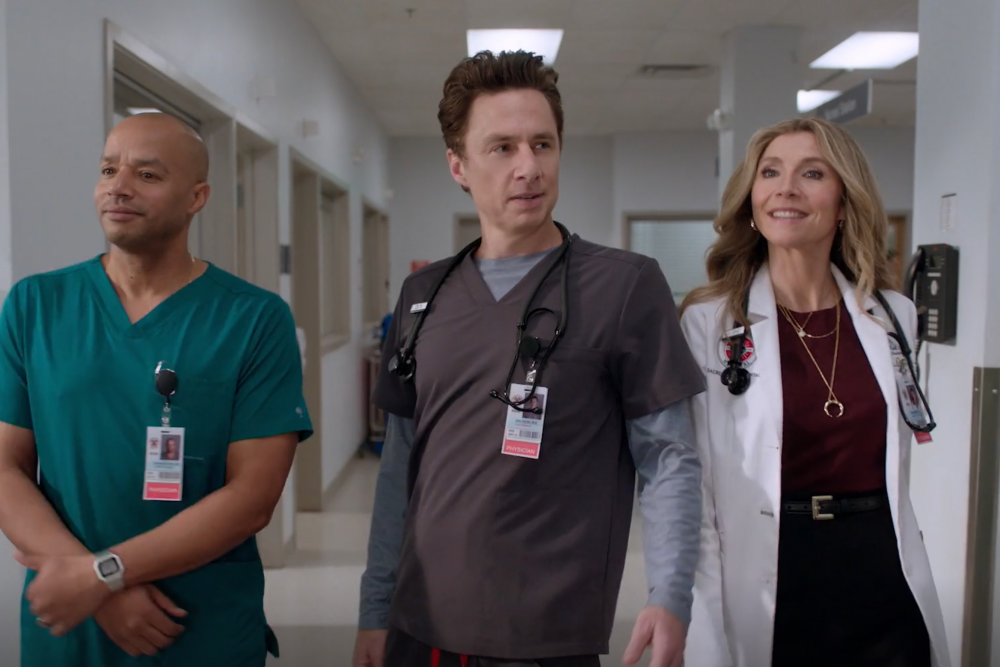
Scrubs Rebirth (2026): Medical Miracle or Malpractice?

What They Got Right: The Nostalgia is Surgical

When a show returns after 16 years, it’s usually a train wreck, a hollow studio cash-in designed to exploit nostalgia without understanding what made the original work. Fans of the original Scrubs remember the horror story of the final years: the actual hospital they filmed in (North Hollywood Medical Center) was literally demolished while the studio wavered on renewal. Season 9 tried to pivot to a medical school setting without the building or half the cast, and the charm evaporated. The show limped to cancellation.

But for this 2026 revival, the studio did something shocking: they rebuilt Sacred Heart Hospital.

The second you see the exterior in the opening shot, you know they’re not playing around. They’ve recreated the ground floor interiors with meticulous attention to detail. Seeing the Pac-Man machine from the pilot episode reappear in “My 2nd First Day” feels like finding an old photograph you thought was lost. These aren’t cheap green-screen recreations, they invested in physical sets that capture the texture and feel of the original space.

The formula is almost perfect. Dr. Cox is back with his signature blend of cynicism and hidden compassion. The Todd still delivers perfectly timed comments. Hooch remains dangerously unstable. The rhythms that made Scrubs work, the quick cuts between comedy and genuine emotion, the fantasy sequences, the fourth-wall-breaking narration, are all intact and functioning at historical quality levels.

Even the new intern characters are being integrated smartly. The show demonstrates it still knows how to build ensemble dynamics, giving the newcomers room to develop while maintaining focus on the beloved originals. Turk’s emotional breakdown early in the season proves the writers can still handle heavy dramatic material without recycling old storylines. The show hasn’t lost its ability to gut-punch you between jokes.

The humor works. That’s not a small thing. Comedy ages poorly, and what landed in 2001 often feels dated in 2026. But Scrubs was always slightly ahead of its time in tone, and that prescience pays dividends now. The jokes hit at the same frequency as the original run. The show still earns its emotional moments instead of manipulating them.

What They Got Irreparably Wrong

Despite the laughs and the lovingly reconstructed sets, there is one catastrophic error that undermines everything else: The divorce of JD and Elliot.

There is nothing worse than a revival robbing characters of their earned happy ending just to manufacture conflict. We spent eight seasons navigating the “will-they-won’t-they” relationship between JD and Elliot. We watched them date other people awkwardly. We suffered through their timing problems, their communication failures, their individual neuroses getting in the way. The original series finale gave us closure: they ended up together, and it felt earned after years of watching them grow.

Returning to find them divorced, so we can watch Elliot’s awkward dating scenes and presumably JD’s romantic misadventures, feels like a betrayal. It’s been over 20 years for these characters. If they made it all the way to divorce, trying to “stitch them back together” now will feel forced and cheap. But leaving them apart permanently means the original series ending was pointless.

I genuinely cannot care anymore about their romantic drama. The investment was spent. The payoff was delivered. Asking viewers to re-invest in the same emotional stakes two decades later is narrative bankruptcy.

The Missed Alternative

Here’s what’s frustrating: Scrubs has built-in solutions to aging cast problems. You’re teaching new doctors. You can phase popular supporting characters into main cast roles. You can follow new interns through their romantic complications. Star Trek: Lower Decks demonstrated you can keep established characters happily partnered while building fresh romantic storylines around new ensemble members.

JD and Turk have kids who are likely adults now. You had other narrative paths. You didn’t need to harm the main cast relationships to create forward momentum. Only Fools and Horses made a comparable mistake when they retroactively made Del Boy and Rodney poor after giving them a fortune, undoing character development for cheap conflict.

The “Feelings Police” Problem

Then there’s the new HR authority figure character, someone who apparently has more power than the two chiefs of the hospital, raising the question of who signs her paychecks and why anyone tolerates her interference.

This character leans into a lazy cultural stereotype: the humorless enforcer of “political correctness” who exists so characters can make “you can’t say anything anymore” jokes. It’s aimed at armchair viewers who want to feel validated in their complaints about changing workplace norms, despite the reality that nickname culture in hospitals hasn’t changed dramatically since 2000.

Here’s what bothers me: society has been slowly progressive. It’s not a knee-jerk overcorrection, it’s gradual cultural evolution. But this character treats it as ridiculous overreach, which feels like pandering to a specific audience segment for ratings rather than organic storytelling.

It’s particularly disappointing because it cheapens a show that literally reconstructed a hospital for accuracy. They got the building right. They got the cast dynamics right. They got the humor right. And then they included this caricature character who feels imported from a completely different, lazier show.

What Happens Now?

The only way I can see to fix the JD/Elliot issue without it feeling cheap is to phase them out of the show completely, focus on the new generation while keeping the originals as occasional guest appearances. But that’s not what fans want from a revival. We came back to see these characters, not to watch them be benched.

Alternatively, they could lean hard into the time jump. Show JD and Elliot as divorced but co-parenting adults who’ve moved past romantic drama into genuine friendship. Stop making their relationship status a plot engine. But I suspect the writers won’t resist the temptation to create will-they-get-back-together tension, which will make me angry every time it appears on screen.

The Verdict: 6/10

I’m fairly critical, but here’s my standard: if a show beats 50%, I keep watching. Scrubs Rebirth sits at 60% for me, which means I’ll continue.

The bulk of the humor is bang-on at historical quality levels. The dramatic beats still land. The new characters show promise. The set reconstruction demonstrates genuine respect for the source material. Dr. Cox is still Dr. Cox. Turk and JD’s friendship still resonates.

But the JD/Elliot divorce is a heavy weight dragging everything down. Any episode centered on their dating lives or lingering feelings will likely make me angry. The “Feelings Police” character represents the show’s willingness to take easy laughs over earned comedy.

It’s early days. This rating could climb as the season progresses and writers find their footing. Or it could drop if they lean harder into the mistakes. The foundation is solid enough that I’m willing to give it time.

One thing I haven’t seen yet: The Janitor. If he doesn’t appear at some point, that’s another missed opportunity. Though I worry that making Dr. JD’s new antagonist someone other than the Janitor creates a problem, having this guy abuse his boss the way he does should just get him fired, not create ongoing conflict.

But for now, despite legitimate complaints, I’m laughing from beginning to end. That counts for something.


Catch Up on the Classics

If the new season’s relationship drama has you missing the days when JD and Elliot were just starting out, you can revisit the original run:

Scrubs: The Complete Series Seasons 1-8 Boxset (Region 1 – US/Canada)
https://amzn.to/4sHC5X2

Scrubs: The Complete Series Seasons 1-9 (Region 2 – UK/Europe)
https://amzn.to/4bBUONN

Scrubs: Season 9 (Region 1 – US/Canada)
https://amzn.to/4bAz6K6

Relive the glory days at the original Sacred Heart, before the hospital got demolished and before the revival made questionable narrative choices.


Affiliate Notice: This post contains affiliate links. If you click through and make a purchase, we may receive a small commission at no extra cost to you. This helps support our reviews and keeps us writing.

Original Run: 2001-2010 (NBC/ABC)
Revival: Season 10 – 2026
Network: ABC / Disney+
Studio: 20th Television

Where to Watch the 2026 Revival

United States: ABC (Wednesdays 8/7c) | Next-day streaming on Hulu
United Kingdom: Disney+ (Thursdays, 8:00 AM GMT)
Canada: CTV (Wednesdays) | Disney+ | Crave
Australia/New Zealand: Disney+ (Thursdays, 7:00 PM AEDT)
Europe & MENA: Disney+ (Thursdays)
India: Disney+ Hotstar (Thursday afternoons)

Reviews Series
Fire Indicators (2007): Professional Wildland Firefighter Training, Preserved and Free

In 2007, every wildland firefighter in the United States was required to watch this training series. This was the mandatory refresher course needed to maintain firefighting qualifications. Produced by the National Interagency Fire Center in collaboration with the U.S. Forest Service, Bureau of Land Management, and National Park Service, this 19-part series represented the federal government’s comprehensive attempt to codify decades of hard-earned lessons into systematic, life-saving training.

The premise is deceptively simple: firefighters shouldn’t just react to fire behavior, they should read the environment and anticipate dangerous changes before they happen. Stop responding. Start predicting.

Now remastered in 8K 60FPS and freely available, this professional-grade training is accessible not just to firefighters, but to anyone interested in fire behavior, emergency management, outdoor safety, risk assessment, or understanding how professionals make life-or-death decisions under pressure.

What You Actually Learn

Reading the Environment Like an Instrument Panel

The series teaches pattern recognition across four interconnected systems: fuels, topography, weather, and human behavior. Firefighters learn to “read” landscapes the way pilots read cockpit instruments, continuously scanning for changes that signal developing danger.

You learn to observe fuel moisture levels by watching how vegetation moves in wind, how leaves curl in heat, how grasses ignite. You learn that topography isn’t just terrain, it’s a channeling system that accelerates fire in canyons, creates unpredictable eddies on ridges, and turns seemingly safe positions into death traps when wind shifts. You learn to watch smoke columns for color changes, rotation, and collapse patterns that telegraph shifts in fire intensity before flames arrive.

This isn’t abstract theory. The training uses real incidents, Cart Creek (1977), Cedar Fire (2003), Irish Springs, to show exactly what indicators were visible before fatal entrapments occurred, and precisely where decision-makers failed to act on available information.

The Human Component: Why Most Deaths Are Preventable

What elevates this series beyond technical fire behavior instruction is its unflinching examination of human factors. The course acknowledges an uncomfortable truth: most wildland firefighter deaths aren’t caused by unpredictable fire behavior. They’re caused by predictable human failures.

You learn about complacency during routine operations, how the Cart Creek fatality occurred during what seemed like standard suppression work, not during dramatic fire runs. You learn about communication breakdowns where critical information existed but never reached decision-makers. You learn about normalcy bias, the psychological tendency to underestimate danger and delay retreat even when conditions clearly deteriorate.

The series teaches that situational awareness isn’t passive observation, it’s active mental engagement that requires discipline when you’re exhausted, stressed, and focused on mission objectives. You learn why crew cohesion matters for safety: experienced teams read each other’s signals, question bad decisions more effectively, and maintain awareness of every team member’s position and condition.

Perhaps most powerfully, the training addresses the social barriers that prevent people from voicing safety concerns. Why does a crew member who sees danger hesitate to speak up? How do leaders create cultures where questioning orders is expected rather than discouraged? When does aggressive fire suppression cross the line into reckless endangerment?

Case Studies Written in Blood

The series doesn’t sensationalize tragedy, but it doesn’t soften it either. The inclusion of an interview with the mother of a firefighter killed in a vehicle rollover is devastating. She speaks directly to viewers about trusting your inner voice when something feels wrong and acting before it’s too late. This isn’t training video filler, it’s a grieving parent demanding that her son’s death mean something.

The Cedar Fire analysis examines how 280,000+ acres burned and 15 people died when Santa Ana winds drove extreme fire behavior through drought-stressed California terrain. The series walks through specific entrapment scenarios: who survived, who didn’t, what decisions led to each outcome. It shows shelter deployments, the last-resort survival technique when entrapment becomes unavoidable, and discusses why some deployments succeeded while others failed.

The Cart Creek reconstruction demonstrates how fire activity intensified abruptly during what appeared to be routine line construction, forcing crew retreat. It shows the moment a disoriented crew member lost contact with the safety zone and was overtaken. The video then dissects every decision point: unclear escape routes, inadequate lookout positioning, complacency bred by initial success, failure to maintain “a foot in the black” (staying connected to already-burned safety zones).

Operations and Tools

The series addresses practical safety across the full scope of wildland fire operations:

Driving safety gets an entire module because vehicle accidents kill more firefighters than flames do. Most injuries occur during transport and mop-up operations, not direct fire engagement.

Chainsaw operations receive detailed coverage: kickback prevention, proper stance and grip, communication while cutting, maintaining situational awareness when operating loud power tools in high-stress environments.

Fire shelter deployment is taught as last-resort survival technique, not safety zone. The training demonstrates proper deployment, discusses common errors, and addresses the psychological difficulty of committing to shelter use, essentially gambling your life on a aluminized fabric tent while fire burns over you.

Incident Response Pocket Guide (IRPG) use gets systematic instruction: watch-out situations, LCES system (Lookouts, Communications, Escape routes, Safety zones), standard fire orders. The training emphasizes knowing the content, not just carrying the card.

Interagency Coordination and Communication

Large wildland fires involve multiple agencies operating under unified command: federal (Forest Service, BLM, Park Service), state, local, tribal, and increasingly, international resources. The series examines the communication complexities when hundreds or thousands of personnel from different agencies, with different equipment, different training standards, and different organizational cultures must coordinate during rapidly evolving incidents.

You learn why communication responsibilities exist for all personnel, not just incident commanders. Every crew member has duty to share observations and concerns. The training addresses radio protocol, lookout systems, and span-of-control limitations that affect information flow during complex operations.

Leadership Under Pressure

The leadership module addresses challenges specific to wildland fire operations: balancing aggressive suppression with crew safety, making the difficult call to retreat when mission accomplishment seems within reach, creating cultures where subordinates feel empowered to voice safety concerns.

The training acknowledges that leaders face intense pressure to control fires quickly, from communities threatened by flames, from agency leadership, from the crew’s own desire to succeed. It teaches that the hardest leadership decision isn’t committing resources, it’s pulling them back when conditions deteriorate.

Time-Critical Decision Making

“Every Second Counts” focuses on recognizing the moment when monitoring transitions to immediate action. When do you stop observing and start moving? The series teaches recognition of transition points: specific combinations of indicators that signal you’re out of time for measured response.

This addresses the psychological tendency to delay retreat, the hope that conditions will stabilize, the reluctance to abandon progress, the normalcy bias that whispers “it won’t get that bad.” The training teaches that survival often depends on acting when retreat still feels premature, before objective danger confirms the decision was necessary.

Why This Matters Beyond Firefighting

This isn’t just occupational trainingโ€”it’s a masterclass in operating effectively in life-threatening, rapidly-changing environments. The frameworks translate across disciplines:

Emergency management professionals face identical challenges: pattern recognition under pressure, interagency coordination, communication in chaos, deciding when to escalate response or order evacuation.

Outdoor recreation professionals and guides make similar assessments: reading weather patterns, evaluating terrain hazards, deciding when conditions warrant retreat rather than continuing toward objectives.

Risk management across industries involves the same human factors: overcoming normalcy bias, creating speak-up cultures, balancing productivity pressure against safety concerns, recognizing when “good enough” safety margins have eroded into unacceptable risk.

Aviation, maritime, and other high-reliability operations face parallel challenges in crew resource management, situational awareness under fatigue, and time-critical decision-making with incomplete information.

Anyone living in fire-prone regions benefits from understanding fire behavior and environmental indicators. As wildland-urban interface expands and fire seasons intensify, civilian awareness of fire danger signs becomes increasingly relevant for personal safety.

Who Should Watch This

Wildland firefighters: Your required RT-130 refresher, now available in superior quality for annual certification.

Structural firefighters and emergency responders: Human factors content and decision-making frameworks apply across emergency services.

Outdoor professionals, guides, and recreation leaders: Anyone operating in wildland settings benefits from understanding fire behavior and environmental observation.

Emergency management and incident command personnel: Applicable systems for multiagency coordination, communication protocols, and crisis decision-making.

Risk management professionals: Real-world case studies in high-stakes decision-making, safety culture development, and human factors in accidents.

Students of decision science and organizational behavior: Documented examples of how experienced professionals assess risk and make time-critical decisions under uncertainty.

Residents of fire-prone areas: Understanding fire behavior, indicator recognition, and evacuation decision-making has civilian safety applications.

The Bottom Line

“Fire Indicators” represents the federal government’s systematic codification of lessons learned from decades of wildland firefighter fatalities. It’s unflinching about tragedy while remaining relentlessly focused on actionable prevention.

The series doesn’t glorify heroics or sensationalize danger, it treats firefighting as skilled professional work requiring continuous learning, disciplined observation, and the moral courage to prioritize safety over mission accomplishment when conditions warrant.

This is specialized professional training made universally accessible. Whether you’re fulfilling annual firefighter certification requirements, seeking better environmental awareness for outdoor professional work, studying emergency management and high-reliability operations, or simply fascinated by how experts make life-or-death decisions in extreme environments, this series offers insights unavailable elsewhere.

The fact that the complete 19-part series is freely available removes all barriers to learning from some of the most thoroughly analyzed emergency operations in modern history. This is education that saves lives, and it costs nothing but your attention.


Watch the Complete Series

YouTube Playlist (All 19 Parts – Free):
https://www.youtube.com/playlist?list=PLQoitBXNBdbWGN5KWiqP3OKRUFhd-p7M-

8KFlikz Streaming:
https://8kflikz.com/show/detail/fire-indicators-complete-series-season-1

Produced by:
National Interagency Fire Center (NIFC)
National Wildfire Coordinating Group (NWCG)

Remastered and Preserved by:
8KFlikz / Wildland Fire Archive
HDDVD-revived

Follow the Archive:

Because life-saving training should never be inaccessible.

Reviews Series
Van Beuren’s Tom & Jerry (1931-1933): The Forgotten Jazz Age Duo, Restored and Free

The Other Tom and Jerry

Long before the cat-and-mouse duo became household names, there was another Tom and Jerry, two humans navigating the surreal landscape of early 1930s animation. Van Beuren Studios’ forgotten series ran from 1931 to 1933, producing 26 shorts that captured the anarchic spirit of Depression-era cartoons. This wasn’t the polished chase comedy that would dominate later decades. This was rubber-hose animation at its most experimental: a world where skeletons danced, kitchenware performed concerts, and the laws of physics were suggestions at best.

These shorts have languished in obscurity for decades, overshadowed by their more famous MGM namesakes. 8KFlikz and HDDVD-revived have now made the complete series freely accessible, preserving a crucial piece of animation history that deserves reconsideration.

What You’re Actually Watching

Van Beuren’s Tom and Jerry weren’t characters in the traditional sense, they were avatars for exploring whatever bizarre scenario the animators dreamed up that week. One episode they’re Arctic explorers (“Polar Pals”), the next they’re amateur rocketeers (“Rocketeers”), then suddenly they’re hoboes hopping freight trains (“Happy Hoboes”). Continuity wasn’t the point. Each short was a self-contained experiment in visual comedy and musical synchronization.

The series thrived on three core elements:

Musical Integration: Nearly every short builds around rhythmic timing. Kitchen utensils become percussion instruments (“Pots and Pans”). Pianos play themselves and control the characters’ movements (“Piano Tooners”). Even hunting trips sync to jazzy musical cues (“Rabid Hunters”). The soundtrack was structural, driving gags and dictating pacing in ways that feel proto-musical.

Rubber-Hose Surrealism: Bodies stretch, compress, and liquify. Objects transform mid-scene. Reality is negotiable. “Wot a Night” opens the series with dancing skeletons and sentient furniture. “Pencil Mania” goes full meta, having characters interact with their own animation process. The style embraced fluidity over realism, creating dreamlike sequences that anticipated later experimental animation.

Escalating Chaos: Every short follows the same trajectory: simple setup, complicating incident, spiraling disaster. A Swiss vacation becomes an alpine catastrophe (“A Swiss Trick”). A bakery visit devolves into doughy destruction (“Doughnuts”). Firefighting attempts create more fires than they extinguish (“Hook & Ladder Hokum”). The formula was simple but effective: take a mundane premise and push it past absurdity into cartoon chaos.

Cultural Artifacts of Their Time

These shorts are unapologetically products of early 1930s America, for better and worse. The series reflects its era’s casual stereotyping, “Redskin Blues” and “A Spanish Twist” traffic in period caricatures that haven’t aged well. Modern viewers should approach these episodes as historical documents: examples of how mainstream entertainment casually perpetuated cultural reduction during this period.

At the same time, the series captures authentic Depression-era concerns and fascinations. “Happy Hoboes” romanticizes freight-hopping wanderers, a reality for thousands of unemployed Americans. “Plane Dumb” and “The Phantom Rocket” reflect public fascination with aviation and technological progress. Even “Joint Wipers”, ostensibly about odd jobs, carries undertones of workplace precarity and improvisation that would’ve resonated with contemporary audiences.

Why This Matters for Animation History

Van Beuren Studios operated in the shadow of Disney and Fleischer Brothers, never achieving their commercial success or technical polish. But these Tom and Jerry shorts represent important evolutionary steps in American animation:

Sound Experimentation: Created during animation’s transition to synchronized sound, these shorts aggressively explored audio-visual relationships. The studio pushed musical integration further than most contemporaries, treating soundtracks as equal partners to visuals rather than mere accompaniment.

Narrative Minimalism: The series demonstrated that character-driven continuity wasn’t necessary for entertaining shorts. Each episode functions as a self-contained vignette, anticipating anthology approaches that would influence later experimental animation.

Studio Style Development: Van Beuren’s aesthetic, more anarchic than Disney, less technically refined than Fleischer, carved out middle ground that influenced regional animation studios and later independent animators who valued energy over polish.

Technical Preservation

The 8KFlikz restoration makes these shorts viewable in ways they haven’t been for decades. Many Van Beuren cartoons survived only through degraded prints with compromised sound. This remastering clarifies visual details and audio synchronization that are essential to understanding how these shorts actually functioned.

Who Should Watch This

Animation historians and students: Essential viewing for understanding early sound animation’s experimental phase and the breadth of 1930s cartoon styles beyond Disney.

Film preservation advocates: A success story of forgotten material being rescued and made accessible rather than disappearing into rights limbo.

Fans of early jazz and period music: These shorts are essentially animated jazz performances, with strong musical curation that reflects early 1930s popular sound.

Anyone curious about pre-Golden Age animation: Before formulas solidified and production values standardized, studios were throwing everything at the wall. This series shows what that experimental chaos looked like.

The Bottom Line

Van Beuren’s Tom and Jerry won’t replace anyone’s affection for the later MGM cat-and-mouse duo. These shorts are rougher, weirder, and less technically accomplished than Golden Age animation that would follow. But they’re fascinating precisely because they capture animation before it knew what it was supposed to be.

This is cartoon jazz, improvised, energetic, occasionally discordant, and willing to try anything. The series valued momentum over coherence, musical rhythm over narrative logic, and anarchic energy over character development. Some shorts land better than others, but even the weaker entries offer glimpses of animators figuring out their medium in real time.

The fact that this complete series is now freely available removes all barriers to exploring this forgotten chapter of animation history. Whether you watch one episode or binge all 26, you’re seeing the raw creative energy of early sound cartoons before the form calcified into convention.


Watch Now

YouTube Playlist (All 26 Episodes):
https://www.youtube.com/watch?v=XSh-7sBuRgU&list=PLQoitBXNBdbUfuhxGzFyF8-Y03TquVrBg&index=1

8KFlikz Streaming (Basic Plan):
https://8kflikz.com/show/detail/van-beuren-tom-jerry-season-1

Follow HDDVD-revived & 8KFlikz:

Studio: Van Beuren Studios
Years: 1931-1933
Episodes: 26 shorts
Remastered by: 8KFlikz in partnership with HDDVD-revived
Availability: Free on YouTube | Basic plan on 8kflikz.com

Because animation history deserves to be seen, not forgotten.

Reviews Series
Stop Bullying: A Vital Educational Series Restored for Modern Classrooms

The Series That Still Matters

Nearly two decades after its original production, the Department of Health and Human Services’ Stop Bullying webseries remains one of the most direct, unflinching examinations of school bullying dynamics ever created for educational use. This isn’t after-school special melodrama, it’s a methodical dissection of how bullying operates in real school environments, presented through interconnected character arcs that refuse to offer easy answers.

What Makes This Educational Content Different

The series follows multiple students (KB, Melanie, Cassandra, Milton, Josh, and others) through scenarios that capture the messy reality of bullying: the bystander who wants to help but fears social exile, the former victim who returns transformed, the popular student trapped in a toxic friendship, the misunderstood kid whose home struggles manifest as school aggression. Each short episode focuses on specific bullying dynamics: verbal harassment, cyberbullying, social exclusion, the bystander effect, and the courage required for peer intervention.

What distinguishes this from typical anti-bullying content is its refusal to simplify. Characters don’t neatly divide into bullies and victims. Melanie struggles with complicity in her friend group’s cruelty. Milton’s anger issues stem from unaddressed personal trauma. Josh’s athletic transformation earns him respect but doesn’t erase what he endured. The series acknowledges that standing up often comes with social costs, that adults don’t always understand, and that resolution requires sustained effort rather than single heroic moments.

Why Accessibility Matters Here

8KFlikz and HDDVD-revived have made this entire 12-episode series freely available because bullying prevention education shouldn’t be paywalled. The 8K restoration ensures the content works in modern classroom settings with contemporary display technology, but the mission remains what it always was: giving educators, parents, and students a tool for difficult but necessary conversations.

The series works equally well for:

  • K-12 classroom instruction with guided discussion
  • Counselor-led intervention programs addressing specific incidents
  • Parent-child viewing to open dialogue about school experiences
  • Teacher training on recognizing and responding to bullying
  • Homeschool social-emotional learning curricula

The Content’s Enduring Relevance

While fashion and phone technology date the original production, the emotional mechanics of bullying haven’t changed. Kids still experience the same fear of reporting, the same pressure to conform, the same isolation when targeted. The addition of a cyberbullying episode (Episode 5) captures how digital spaces accelerate and amplify cruelty, a message perhaps even more critical now than when first produced.

Episodes tackle questions students actually face: How do you help someone without becoming a target yourself? What do you do when the bully is your friend? How do you rebuild after being victimized? When should you involve adults, and what happens when they don’t understand? The series doesn’t pretend these questions have simple answers, which is precisely why it remains valuable.

Technical Execution

The 8K 60FPS restoration enhances clarity without altering the original content. This matters for classroom use where students need to clearly see facial expressions and body language that communicate as much as dialogue. The improved frame rate makes the content feel current rather than archived, reducing the “this is old” barrier that can prevent student engagement with educational material.

Using the Series Effectively

Each episode works as a standalone discussion prompt, but the full series benefits from sequential viewing as character development builds across episodes. Teachers using this content should:

  • Pause for discussion rather than passive viewing
  • Focus on decision points: What would you do in this moment?
  • Explore consequences: What happened because of this choice?
  • Connect to policy: How does your school address these situations?
  • Encourage perspective-taking: How might each character view this differently?

The series provides scenarios, not prescriptions. Its value lies in creating safe space to examine difficult social dynamics students recognize from their own schools.

The Bottom Line

Stop Bullying isn’t entertainment, it’s a tool. It’s the educational equivalent of a fire drill: practicing response to situations you hope won’t happen but need to be prepared for. The fact that it’s free removes every barrier to its use in exactly the contexts where it’s most needed.

In an era of increased awareness around mental health, school safety, and youth wellbeing, this series offers something surprisingly rare: federally-produced, evidence-informed content specifically designed to address bullying’s social complexities. It won’t solve bullying alone, nothing willโ€”but it opens conversations that might not happen otherwise.

For educators seeking ready-made discussion material, for parents unsure how to broach these topics, for counselors needing relatable scenarios for intervention work: this series remains relevant, accessible, and effective.


Watch Now

YouTube Playlist (All 12 Episodes):
https://www.youtube.com/watch?v=RafjvakYfUo&list=PLQoitBXNBdbVmgTXuVGfuqXKVpg-hXkFa

8KFlikz Streaming:
https://8kflikz.com/show/detail/stop-bullying-season-1

Additional Educational Resources:
https://www.stopbullying.gov

Follow HDDVD-revived & 8KFlikz:

Because education about empathy, intervention, and respect should never be behind a paywall.